
Rope Access Equipment Guide: What You Need and What It Costs
Complete guide to rope access equipment for beginners — every piece of gear explained, what it costs, how to choose quality kit, and whether to buy or rely on company-provided gear.
Walking into a rope access equipment shop for the first time can feel overwhelming. Harnesses, descenders, ascenders, carabiners, ropes, backup devices — there's a lot of gear, and none of it is cheap.
This guide breaks down every essential piece of equipment, explains what it does, what to look for, and what you'll pay. Whether you're buying your first kit or evaluating company-provided gear, understanding your equipment is fundamental to safe and effective work.
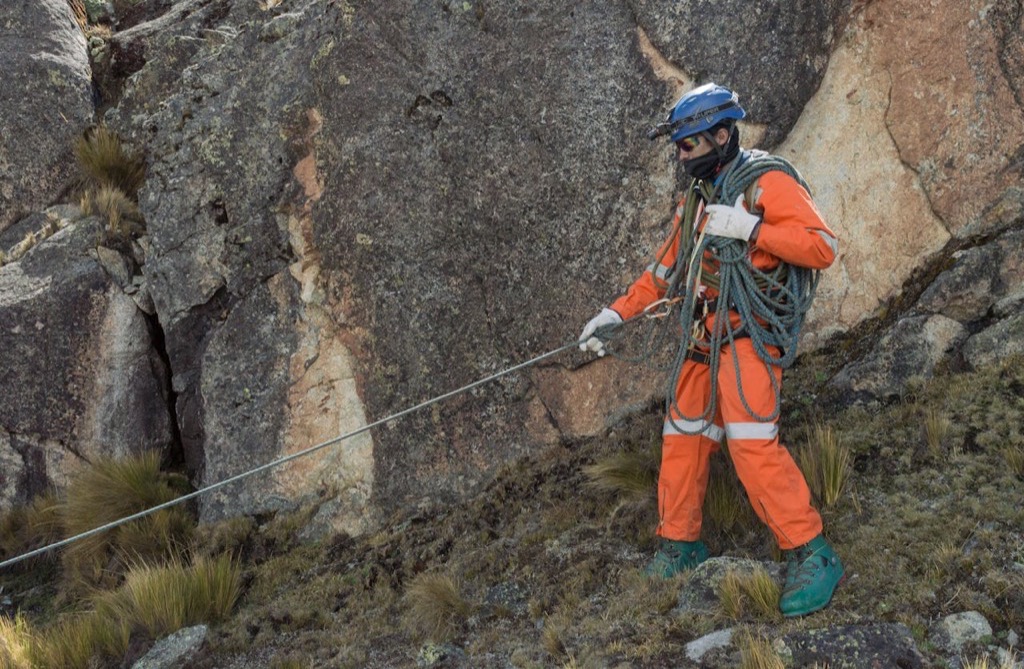
The Core Equipment: What You Need
Every rope access technician needs these items. They're the non-negotiables.
1. The Harness
Your harness is your most important piece of equipment. It distributes your weight, provides attachment points, and is what keeps you connected to the rope system.
- Full-body harness — Combines sit harness with upper body support. Required for some applications.
- Sit harness with chest harness — Most common in IRATA work. Sit harness for working, chest harness for fall arrest and positioning.
- EN 361 (fall arrest) and EN 813 (rope access) certification
- Comfortable padding — you'll wear this for hours
- Easy adjustment points
- Durable construction
- Adequate attachment points (front, rear, side)
- Gear loops for carrying equipment
Popular Brands: Petzl, Singing Rock, Beal, Camp, Kong, Skylotec
Cost: €300-600
Tip: Try before you buy if possible. A harness that fits your body well makes a massive difference to comfort during long days on the ropes. What works for one person may not work for another.
2. Helmet
Not optional. Ever.
- EN 397 or EN 12492 certified
- Chin strap that holds the helmet in place during a fall
- Compatible with other PPE (visor, ear defenders, headlamp)
- Ventilation (for warm weather work)
- Visor attachment points
- Headlamp clips
- Weight (lighter is better for long days)
Cost: €80-150
3. Descender
Your primary device for descending ropes. Controls your speed and allows you to stop and work at any point.
- ID (Petzl) — Self-braking descender, very popular in IRATA work. Has anti-panic function.
- RIG (Petzl) — Compact, versatile, widely used
- Stop (Petzl) — Classic double-action descender
- Various other brands — Many manufacturers make quality descenders
- Self-braking capability (required by most standards)
- Anti-panic function (locks if you grip too hard)
- Smooth operation
- Compatible with your rope diameter
- Easy to attach and detach
Cost: €150-300
4. Ascenders
Devices for climbing up ropes. You'll typically use a pair — one for each hand/foot.
- Handled ascender (e.g., Petzl Ascension) — Primary hand ascender
- Chest ascender (e.g., Petzl Croll) — Attaches to chest harness for efficient climbing
- Foot ascender — Attaches to foot for alternating movement
Typical Setup: Chest ascender (Croll or similar) + handled ascender + foot loop = efficient rope climbing system
Cost: €200-400 for a complete set
5. Backup Device
Your safety line device. Runs on the safety rope and catches you if the working line fails.
- ASAP (Petzl) — Mobile fall arrester, widely used
- ASAP Lock (Petzl) — Version with locking function
- Other certified backup devices — Various manufacturers
- Must be certified for use as a fall arrest device on a safety line
- Must track smoothly during normal movement
- Must lock immediately in a fall
Cost: €150-250
6. Ropes
Two ropes minimum for any rope access work — one working line, one safety line.
- Low-stretch (semi-static) — Standard for rope access work. Minimal stretch means predictable positioning.
- Dynamic — Used in specific rescue scenarios. More stretch absorbs fall energy.
- Diameter: typically 10-11mm for rope access
- EN 1891 Type A certified
- Length: depends on work requirements (30-200m common)
- Certified to EN 1891
- Good handling characteristics
- Appropriate diameter for your devices
- Sheath durability
- Clear markings and identification
Cost: €150-250 per 50m rope
7. Connectors (Carabiners)
You'll need several carabiners of different types:
- HMS/pear-shaped — For belaying and general connections
- Oval — For pulleys and specific applications
- D-shaped — Strong, lightweight general-purpose
- Auto-locking — Required for most critical connections
- EN 362 certified
- Auto-locking gates for critical connections
- Minimum strength ratings met
- Gate opening sufficient for intended use
How Many: Budget for 8-12 carabiners minimum. You'll use them everywhere.
Cost: €15-40 each (€150-400 total)
8. Slings and Connectors
Various textile and wire slings for anchor building and connections:
- Anchor slings (various lengths)
- Cow's tails / lanyards
- Personal connectors
- Energy absorbers
Cost: €100-300 for a working set
Complete Kit Cost Breakdown
| Item | Budget Range | Mid-Range | Premium |
|---|---|---|---|
| Harness | €300 | €400 | €600 |
| Helmet | €80 | €100 | €150 |
| Descender | €150 | €200 | €300 |
| Ascenders (set) | €200 | €300 | €400 |
| Backup device | €150 | €200 | €250 |
| Ropes (2x 50m) | €300 | €400 | €500 |
| Carabiners (10) | €150 | €250 | €400 |
| Slings & connectors | €100 | €200 | €300 |
| Bag/storage | €50 | €100 | €150 |
| **Total** | **€1,480** | **€2,150** | **€3,050** |
Add specialized items for your work type (pulleys, edge protection, rigging equipment) and costs increase further.
How to Choose: Quality vs Budget
Don't Cheap Out On Safety
Your life depends on this equipment. That doesn't mean you need the most expensive option, but it does mean:
- Only buy certified equipment (EN standards or equivalent)
- Buy from reputable brands with proven track records
- Avoid counterfeit or uncertified gear
- Don't buy second-hand safety-critical items unless you can verify their full history
Where to Save
Some areas allow reasonable economy:
- Bags and storage — Functional beats fancy
- Accessories — Basic versions often work fine
- Quantity — Buy what you need, not every option available
- Deals — End-of-season sales from reputable suppliers
Where NOT to Save
Never compromise on:
- Harness — Poor fit or quality affects safety and comfort
- Descender — This is your primary control device
- Backup device — Your life depends on it working perfectly
- Ropes — Buy quality, certified ropes every time
- Connectors — Only certified carabiners from known manufacturers
Recommended Approach for New Technicians
- Start with a reputable mid-range kit — Petzl, Singing Rock, or similar established brands
- Get advice from your training center — They know what works
- Try equipment during training — Most courses use various brands
- Don't buy everything at once — If your employer provides some items, buy only what you need
- Invest in comfort — A comfortable harness matters more than a fancy descender
Buying vs Company-Provided Equipment
The question of who provides equipment varies by market and employer.
Company-Provided Gear
- No upfront cost
- Company handles inspection and maintenance
- Equipment is replaced when needed
- Liability sits with the employer
- You use what you're given (may not be your preference)
- Quality varies by company
- You're dependent on employer equipment management
- In some markets, it may affect your contractor status
Owning Your Own Kit
- You know your equipment intimately
- Choose the brands and models you prefer
- Higher day rates in many markets (15-25% premium)
- True contractor independence (important for ZZP/freelance status)
- Available for any job at short notice
- Significant upfront investment
- Responsibility for inspection and maintenance
- Insurance considerations
- Replacement costs when items retire
The Market Trend
Equipment ownership is increasingly expected in Northern Europe, particularly the Netherlands and Scandinavia. In the UK and Middle East, company-provided equipment remains more common.
Read our detailed analysis: Should Rope Access Technicians Bring Their Own Gear?
Equipment Maintenance and Care
Owning equipment means maintaining it properly.
Storage
- Clean and dry before storage
- Away from direct sunlight (UV degrades textiles)
- Away from chemicals and solvents
- In ventilated area (prevent mildew)
- Hang harnesses rather than stuffing them into bags long-term
Cleaning
- Warm water and mild soap for textile equipment
- Rinse thoroughly
- Air dry (never machine dry or use direct heat)
- Metallic equipment: clean, dry, lubricate moving parts per manufacturer guidelines
Inspection Regime
Before every use: Visual and functional check of all equipment
Periodic (every 6-12 months): Thorough examination by a competent person, documented
After any incident: Inspect immediately, retire if any doubt
Documentation
- Purchase date for each item
- Serial numbers
- Inspection dates and results
- Usage hours (for items with hour-based retirement)
- Any incidents or damage events
This documentation matters for compliance and for tracking when items approach retirement.
Specialist Equipment
Beyond the basics, specific work types require additional gear:
For Rigging Work - Pulleys (rescue and hauling) - Rope protectors and edge rollers - Rigging plates - Additional slings and connectors
For Offshore Work - Offshore-rated equipment (may need specific certifications) - Corrosion-resistant connectors - Equipment suitable for salt spray environments
For Specific Trades - Tool bags and lanyards - Welding-specific harness attachments - NDT equipment carriers - Painting equipment mounts
Budget for these as your career develops and you specialize.
Where to Buy
Specialist Suppliers - Lyon Equipment (UK) - Beal (France) - Petzl Pro dealers - Various national distributors
Online - Reputable specialist retailers - Manufacturer direct (some offer pro/trade accounts) - Never buy from unverified marketplace sellers
Through Training Centers Some training centers sell equipment and can offer advice based on what they've seen work in practice.
Trade Shows and Events Industry events sometimes offer deals and allow you to try equipment before buying.
Summary
- Harness (€300-600)
- Helmet (€80-150)
- Descender (€150-300)
- Ascenders (€200-400)
- Backup device (€150-250)
- Ropes (€300-500)
- Carabiners and connectors (€250-700)
- Total: €1,500-3,000
- Only buy certified equipment from reputable brands
- Prioritize safety and comfort over saving money
- Maintain and inspect equipment rigorously
- Document everything
- Know when to retire equipment
Your next step: Whether you buy your own or use company gear, understanding your equipment makes you a safer, more competent technician. And if you're building your career, create your profile on Rope Access Network — include your equipment ownership status so employers know you're ready to work.
Questions about specific equipment or recommendations? The rope access community is generally helpful — ask experienced technicians and your training center instructors for advice.
Ready to Start Your Rope Access Career?
Join thousands of certified technicians on Rope Access Network. Create your professional profile, showcase your certifications, and connect with leading companies in the industry.