
IRATA Level 1 Training: What to Expect on Your First Course
Nervous about your IRATA Level 1 course? Here's a day-by-day breakdown of what happens during training, what the assessment involves, how to prepare, and tips from people who've been through it.
Your IRATA Level 1 course is booked. Maybe you're excited. Maybe you're nervous. Probably both.
That's completely normal. Everyone who's ever become a rope access technician went through this same week. And the good news? The course is designed to take you from zero to competent — you don't need to know anything before you arrive.
Here's what actually happens during your Level 1 training, based on how most IRATA-approved centers run their courses.
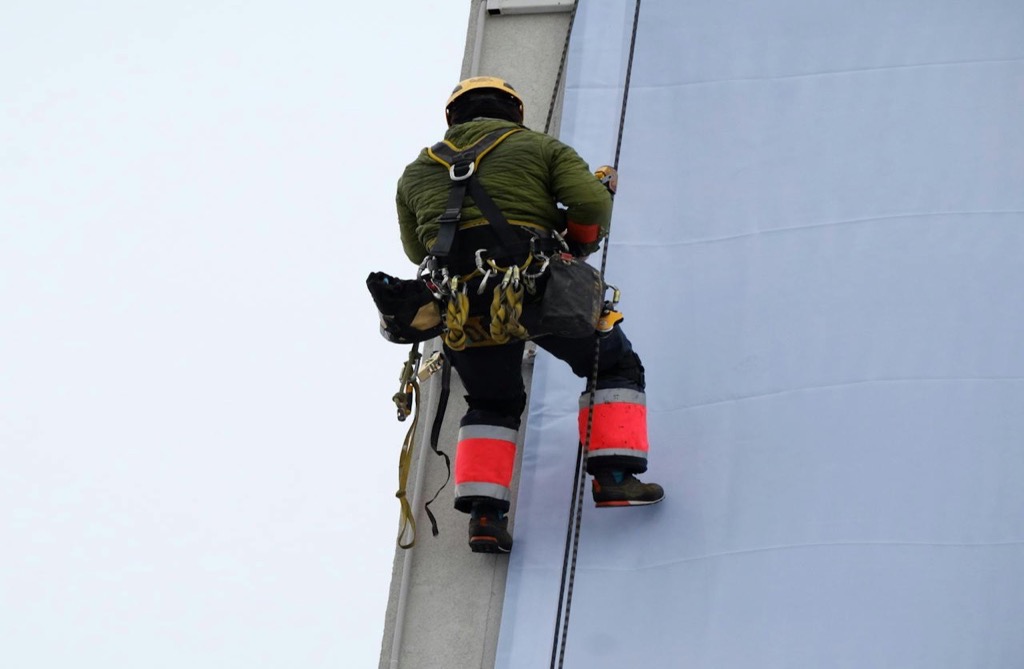
Before the Course
What to Bring
Most training centers provide the equipment you'll use during training. But check with your specific center — some expect you to bring items.
- Harness
- Helmet
- Descender, ascenders, backup device
- Ropes and rigging equipment
- Carabiners and connectors
- Comfortable clothing you can move in (layers are smart)
- Sturdy boots or shoes (closed-toe, ankle support ideal)
- Work gloves (rope work can be hard on hands)
- Water bottle
- Lunch or money for nearby food
- Notepad and pen
- Positive attitude
Physical Preparation
You don't need to be an athlete, but rope access is physical work. If you're reasonably fit, you'll be fine. If you haven't exercised in years, consider a few weeks of preparation:
- Upper body and grip strength help (pull-ups, dead hangs)
- Core strength matters for extended harness time
- General cardiovascular fitness
- If you can climb a ladder and carry a backpack, you're probably fit enough
Honest reality: The most common physical complaint after Day 1 is sore legs and hips from the harness. This is normal and eases as your body adjusts. Everyone goes through it.
Mental Preparation
The course is intensive. You'll learn a lot in a short time. Come ready to:
- Listen carefully to instructions
- Ask questions when you don't understand
- Practice techniques repeatedly
- Accept that you'll feel clumsy at first
- Not compare yourself to others (some may have climbing backgrounds)
Day-by-Day Breakdown
Training centers vary slightly, but here's a typical IRATA Level 1 course structure:
Day 1: Introductions and Basics
- Welcome and course overview
- Health and safety briefing
- Introduction to rope access industry
- Equipment familiarization — you'll learn every piece of gear
- Harness fitting — proper adjustment is crucial
- First time on the ropes
- Basic descent technique (abseiling/rappelling using descender)
- Basic ascending technique (climbing the rope using devices)
- Simple changeovers (switching between ascending and descending)
How You'll Feel: Overwhelmed is normal. There's a lot of new information. The equipment feels unfamiliar. Movements feel awkward. By the end of the day, you'll have gone up and down a rope — and that's enough.
Tip: Focus on understanding what each piece of equipment does, not on being fast or smooth. Speed comes with practice.
Day 2: Core Techniques
- Recap of Day 1 techniques
- Ascending with chest and hand ascender (proper technique)
- Descending with controlled speed
- Changeover practice (ascending to descending, and back)
- Locking off procedures
- Aid climbing techniques
- Passing knots (the techniques for getting past a knot in your rope while staying attached)
- Passing rebelays/deviations (navigating rope redirections)
- Introduction to rigging concepts
How You'll Feel: Better than Day 1. Movements start to feel more natural. Your body is getting used to the harness. You'll start to see the logic behind the techniques.
Day 3: Advanced Techniques and Rescue
- More complex rope maneuvers
- Traversing (moving horizontally on ropes)
- Working from different rope configurations
- Knot tying — you'll learn essential knots and when to use them
- Introduction to rescue techniques
- Rescue of a casualty on a rope
- Pick-off rescue procedures
- Hauling techniques
How You'll Feel: This is often the toughest day. Rescue techniques require combining multiple skills, and it can feel overwhelming. Don't worry — Day 4 gives you more practice time.
Day 4: Practice and Refinement
- Full practice of all techniques learned
- Rescue practice — multiple scenarios
- Instructor feedback on technique
- Work through weaknesses
- Mock assessment scenarios
- Timed exercises (similar to what the assessment will involve)
- Written exam preparation
- Q&A session on theory
How You'll Feel: Confident-ish. You've practiced everything multiple times. Weak areas have been identified and worked on. You should feel like you CAN do what's required, even if you're not perfectly smooth yet.
Day 5: Assessment Day
This is the day that matters. An IRATA assessor (different from your instructors) will evaluate you.
- 40 multiple-choice questions
- Covers: equipment, safety, regulations, procedures
- 70% pass mark (28 out of 40)
- You've been learning this all week — it's not designed to trick you
- Ascending and descending
- Changeovers
- Passing knots and rebelays
- Rescue of a casualty
- Equipment identification and checks
- Basic rigging understanding
- Competent technique (doesn't need to be perfect)
- Safety awareness at all times
- Proper equipment use
- Rescue capability
- Understanding of what you're doing and why
- Speed (you're not being timed to milliseconds)
- Athletic perfection
- Expert-level knowledge beyond Level 1 scope
The Pass Rate
Around 90% of Level 1 candidates pass. If you've paid attention during training and practiced the techniques, you should be fine.
- Not practicing enough during training days
- Panic during rescue assessment
- Significant safety errors (these are taken seriously)
- Insufficient preparation for the written exam
If you don't pass: It's not the end. You can re-take the assessment. Most training centers accommodate retakes within a reasonable timeframe. Failing is disappointing but it happens — and it's better to fail and improve than to pass without being genuinely competent.
Tips from People Who've Done It
"Don't be afraid to ask questions." Instructors want you to learn. There are no stupid questions in training — only dangerous gaps in understanding.
"Practice the rescue until it's automatic." The rescue portion is where most people feel least confident. Volunteer to practice it whenever there's opportunity. It gets easier.
"Take care of your hands." Rope work is rough on your skin. Consider taping fingers that are getting blistered. Work gloves help but you can't always use them for fine manipulations.
"Eat well and sleep well." It's a physically and mentally demanding week. Don't party the night before assessment day.
"Remember everyone starts from zero." Even that person in your course who seems to pick everything up instantly was nervous on Day 1. Focus on your own progress.
"The harness gets more comfortable." Day 1 in a harness feels awful. By Day 3, your body adapts. By the time you're working, you barely notice it.
After You Pass
Congratulations — you're now IRATA Level 1 certified. What happens next:
- You receive your IRATA certification card (or it's posted)
- Your details are added to the IRATA database
- Your certification is valid for 3 years
- Start looking for work — see our guide on how to find rope access jobs
- Create your profile on Rope Access Network — get yourself visible to employers
- Consider what supporting certifications you need — CSCS, First Aid, etc.
- Start your logbook — every hour counts toward Level 2
The Reality: Getting certified is the beginning, not the destination. Your first year is about building experience, logging hours, and developing your professional reputation. Approach it with the same attitude you brought to training: be willing to learn, ask questions, and practice consistently.
Choosing a Training Center
If you haven't booked yet, here's what to consider:
Check IRATA approval: Verify the center is on IRATA's approved list. Non-approved training = non-valid certification.
Instructor quality: Experienced instructors with real industry backgrounds teach better than those who've only ever taught.
Facilities: Modern equipment and realistic training structures make a difference. Purpose-built training towers beat a scaffolding frame in a warehouse.
Class size: Smaller classes mean more instructor attention. Ask about instructor-to-student ratios.
Reputation: Search for reviews, ask in forums, check with people in the industry.
Location and cost: Prices range from €1,500-2,500. Factor in travel and accommodation if the center isn't local.
Job connections: Some training centers have relationships with employers and can help graduates find first jobs. This is valuable.
Cost Summary
| Item | Cost |
|---|---|
| Level 1 course fee | €1,500-2,500 |
| Travel and accommodation | Variable |
| Time off work (5 days) | Lost earnings |
| Additional certifications (post-course) | €200-1,000+ |
| **Total investment** | **€2,000-4,000** |
It's significant money. But a Level 1 technician earning €180-250/day can recoup this within 10-20 working days. The return on investment is real.
Frequently Asked Questions
Do I need any experience before Level 1? No. The course is designed for complete beginners. Climbing experience helps but isn't required.
What if I'm scared of heights? Some degree of nervousness is normal and healthy. Most people find that the systematic approach of rope access (always two attachment points, always backed up) actually reduces their fear. True clinical acrophobia might be a barrier, but moderate discomfort usually resolves with training.
Can I do Level 1 and Level 2 back-to-back? No. Level 2 requires 1,000 logged hours and 12 months since Level 1 certification. There are no shortcuts.
What's the age limit? Minimum 18 years old. No upper age limit — if you're physically capable, you can train and work at any age.
What if I have a medical condition? Discuss with the training center before booking. Most conditions can be accommodated or assessed. You'll need to declare your fitness status.
Ready to Book?
The IRATA Level 1 course is challenging, rewarding, and the first step toward a genuinely good career. If you've read this far, you're probably ready.
Find an approved training center, book your course, and prepare yourself for an intensive week. It'll be worth it.
And once you're certified, join us on Rope Access Network. We'll help you take the next step.
Got questions about IRATA training? Reach out — we've all been through it and we're happy to help you prepare.
Ready to Start Your Rope Access Career?
Join thousands of certified technicians on Rope Access Network. Create your professional profile, showcase your certifications, and connect with leading companies in the industry.